Els: MBN360 Health
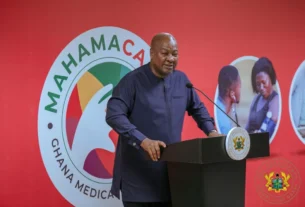
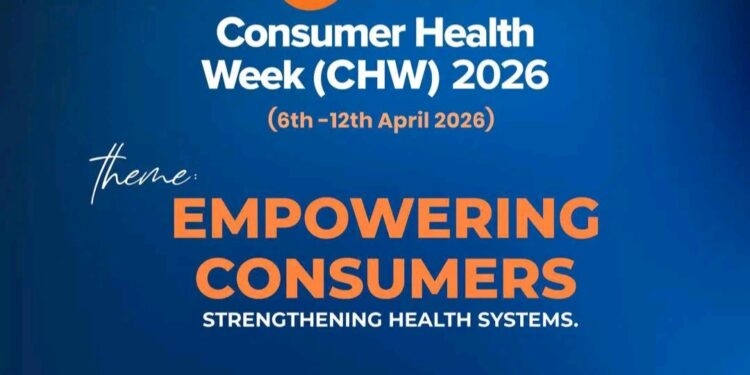
orld Health Day 2026 in Ghana was marked with a renewed focus on health literacy, patient empowerment, and preventive care, as government officially launched Consumer Health Week alongside plans for a Free Primary Healthcare Policy. The national event, held in Accra on April 7, aligns with the global theme “Together for health. Stand with science,” which highlights the importance of research, collaboration, and evidence-based healthcare delivery.
The occasion brought together key stakeholders across the health sector and signalled a strategic shift in Ghana’s healthcare approach, moving beyond access to services toward ensuring that citizens understand and actively use them.
Shift toward Health Literacy and Preventive Care
Addressing the gathering in a speech read on his behalf, Minister for Health Kwabena Mintah Akandoh emphasised the need for a new direction in healthcare delivery.
“We must shift from merely providing services to ensuring that citizens understand and use them effectively,” he stated.Hon. Kwabena Mintah Akandoh, Minister for Health
He identified the gap between available healthcare services and public understanding as a major challenge, stressing that improving health literacy is critical to national development. “Closing the health literacy gap is essential to saving lives and strengthening the national healthcare system,” he added.

The launch of Consumer Health Week reflects this shift, with a focus on educating citizens, promoting responsible health practices, and strengthening trust in the healthcare system. The initiative is expected to bring together stakeholders from government, healthcare, and civil society to promote a more consumer-centred approach to healthcare delivery.
Free Primary Healthcare Policy to Strengthen Access
A major highlight of the event was the announcement that Ghana is in the final stages of developing a Free Primary Healthcare Policy aimed at expanding access to basic health services. Dr Caroline Reindorf Amissah, Deputy Director-General of the Ghana Health Service, explained that the policy will prioritise preventive care and early intervention at the community level.
“Catching illnesses before they become critical and encouraging lifestyle changes to reduce the national disease burden will be central to the initiative.”Dr. Catherine Reindorf Amissah, Deputy Director-General of the Ghana Health Service
Read also:
- Barker-Vormawor: Business Community Must Spearhead Constitutional Reforms
- Mahama Nominates Five Members to Lead Ghana’s Fiscal Council
- Politics of Tolerance: Promoting Good Governance and Development in Ghana
- Major brands exit UK music festival as Keir Starmer slams Kanye West booking
- Mohammed Raii gifts Stonebwoy brand-new land cruiser in grand show of support
The policy is expected to remove financial barriers to primary healthcare, making essential services more accessible to all Ghanaians. Health experts believe this approach could significantly reduce pressure on hospitals by addressing health issues at an early stage. By focusing on prevention rather than treatment, the initiative aligns with global best practices aimed at improving long-term health outcomes and reducing healthcare costs.
Science, Safety and Public Responsibility
The World Health Organization Country Representative, Dr Fiona Braka, called for greater reliance on science and data in shaping healthcare policies and interventions.

“Science has brought us this far; it must be the force that takes us further through increased investment in innovation and resilient delivery systems,” she stated.Dr. Fiona Braka, World Health Organization Country Representative
She noted that Ghana’s progress in areas such as immunisation and disease control has been driven by research and collaboration, but warned that emerging threats, including climate-related risks, require sustained investment in science and equitable access to care. Adding to the discussion, Chief Executive of the Food and Drugs Authority, Prof. Kwabena Frimpong-Manso Opuni, stressed the importance of consumer awareness in ensuring public safety.
“Safe products do not come by chance; they are the outcome of a disciplined and coherent regulatory framework,” he said.Prof. Kwabena Frimpong-Manso, Chief Executive of the Food and Drugs Authority
He urged the public to remain vigilant and report adverse drug reactions, emphasising that community participation is essential to strengthening the healthcare system.“Every individual report matters, because every report serves as a critical protective measure for the entire community,” he added.
Outlook for Ghana’s Healthcare System
Ghana’s commemoration of World Health Day 2026 highlights a clear transition toward a more proactive and inclusive healthcare system, where citizens are empowered to take responsibility for their wellbeing.The combined focus on health literacy, preventive care, and science-based policy signals a shift that could reshape healthcare delivery across the country.

As the Free Primary Healthcare Policy moves closer to implementation, its success will depend on effective rollout, sustained funding, and active public participation.If fully realised, the initiative could mark a significant step toward universal health coverage, improving access, reducing disease burden, and enhancing the overall quality of life for Ghanaians.