Els: MBN360 News
Fuel prices in Ghana have come under intense public pressure as a civil advocacy group, The People’s Forum, formally petitions the government to remove key levies on petroleum products. The petition, submitted on April 7, 2026, through the Minister for Finance, calls for urgent policy intervention to reduce what the group describes as a growing and unsustainable burden on Ghanaians.
The group argues that rising fuel costs are driving up the overall cost of living, affecting transportation, food prices, rent, and other essential expenses across the country.
Petition outlines key demands
In its submission, The People’s Forum called for the immediate suspension and removal of several fuel-related taxes, which it believes are contributing significantly to the current economic strain.
The group’s demands include:
Suspension of the Price Stabilisation Levy
Abolition of the “Borla Tax” (GH¢0.10 per litre)
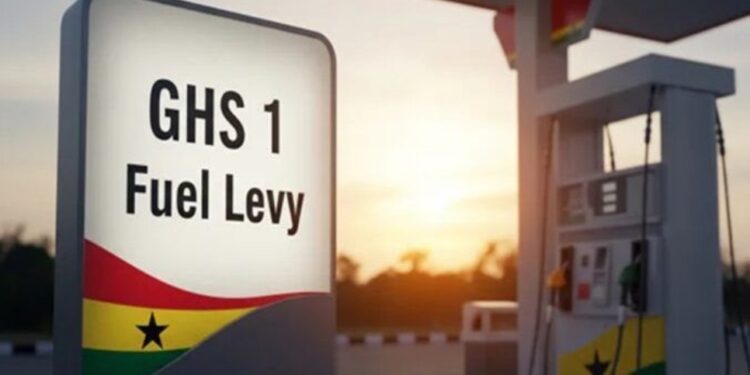
Removal of the GH¢1.00 per litre levy on fuel
Use of increased petroleum revenue to offset any fiscal gaps
“Fuel prices are killing us, and the government has the power to stop it.”People’s Forum in a Press Release

According to the petition, these levies are not unavoidable economic realities but deliberate policy decisions that can be reversed to bring immediate relief to citizens.
Rising fuel costs worsen cost of living
The People’s Forum highlighted the widespread impact of rising fuel prices, noting that the effects extend far beyond the fuel pump.
“Ghanaians are struggling. The price of fuel has gone up, and with it, the cost of transport, food, rent, and every basic necessity,”
Read also:
- Only national ID needed for Mahama’s Free Primary Healthcare policy – Mintah Akandoh
- Free Primary Healthcare To Bridge Gaps In Assessing Health Services
- Ghana–Jamaica Homecoming Festival Gains Strategic Backing, Positions Itself as Global Diaspora and Investment Platform
- Thomas Partey pleads not guilty to two further counts of rape
- Court eases bail terms for Osei Assibey Antwi in National Service Scandal
The group pointed out that workers who have not received salaries for months are still required to spend more on daily transportation, placing additional pressure on already strained household budgets. It also noted that traders and transport operators are facing declining margins. “Market women cannot sell. Drivers cannot afford to operate. Families are cutting meals,” the statement added.
These concerns reflect a broader national sentiment, as rising living costs continue to affect both urban and rural populations.
Policy consistency and political promises questioned
A major aspect of the petition focuses on what the group describes as inconsistencies between past political promises and current policy actions.The People’s Forum referenced the 2024 manifesto of the ruling party, which it said included a commitment to suspend the Price Stabilisation Levy during periods of economic hardship.
“The promise has not been kept,” the group stated.It also criticised the continued application of the so-called “Borla Tax,” which had previously been opposed by policymakers while in opposition.
Additionally, the group questioned the justification for the newly introduced GH¢1.00 per litre levy, arguing that it amounts to a double charge on consumers.“ A brand new GH¢1.00 per litre levy has been added… this is a double charge. It is a rip-off,” the petition claimed.
The group further argued that existing electricity tariffs already cover a significant portion of energy generation costs, raising concerns about the necessity of the additional levy.
Government revenue and fiscal space debate
The petition also raises questions about government revenue management, particularly in light of increased earnings from crude oil exports. According to The People’s Forum, high global oil prices have resulted in additional revenue for the country, creating what it describes as sufficient fiscal space to absorb the cost of removing the levies.
“The fiscal space exists. The money is there. There is no excuse for passing this burden onto ordinary Ghanaians,” the statement said. This argument adds to ongoing debates about how Ghana should utilise revenue from natural resources, especially during periods of economic difficulty.
Call for public support and accountability
Beyond the petition, The People’s Forum is urging citizens to actively support its campaign by raising awareness and demanding action from policymakers.“If you are feeling this pain, then stand with The People’s Forum. Talk about it. Let your voice be heard,” the group appealed.
It also indicated that it will continue to monitor developments and hold authorities accountable for their response to the demands.Observers note that public advocacy campaigns such as this can play a significant role in shaping policy discussions, particularly when they reflect widespread public concerns.
Outlook as pressure mounts on policymakers
The petition by The People’s Forum adds to growing pressure on the government to review fuel pricing policies and address the broader cost-of-living challenges facing citizens.While authorities have yet to issue an official response, the demands highlight the delicate balance between maintaining government revenue and protecting consumers from economic hardship.
The outcome of this engagement could influence future decisions on fuel levies and broader fiscal policy.As discussions continue, many Ghanaians will be watching closely to see whether the government responds with policy adjustments or maintains its current approach.