Els: MBN360 News
The Chief Executive Officer of the Ghana Export-Import Bank, Sylvester Adinam Mensah, has highlighted significant growth in the Bank’s operations over the past decade, revealing that its loan book has expanded nearly fourfold since its establishment
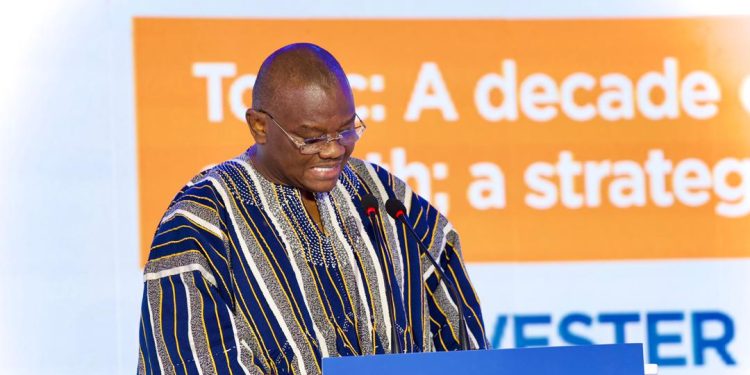
Speaking at GEXIM’s 10th anniversary international conference in Accra on Wednesday, March 25, the CEO disclosed that the Bank’s loan portfolio grew from less than US$70 million in 2016 to nearly US$300 million by the fourth quarter of 2025. The growth, he noted, has supported about 147 businesses across the country.
He explained that GEXIM was established with a clear national mandate to drive production, value addition, and export development through targeted financial and trade-related interventions.
According to him, the Bank’s role has gone beyond financing transactions to building productive capacity and strengthening the competitiveness of Ghanaian exports.
Read also:
- Reparations go beyond cash payments – Ablakwa clarifies
- Lands Minister assures workers of no job losses in Damang takeover
- GPRTU gives government 48-hour ultimatum to scrap fuel taxes
- Government Approves College of Education for Ezinlibo in Partnership with Ghana Gas
- Inflation Falls to 3.2% in Fifteen-Month Decline
Beyond the expansion of its loan book, the CEO said the Bank has also recorded strong financial performance, with income collections rising from below US$34 million annually in 2016 to more than US$71 million by 2025.
“We had also expanded our presence beyond Accra. We have developed working relationships with more than 12 development finance institutions in areas such as trade support, training, and advisory services,” he added
The Bank he stated has also deepened collaboration with international partners, establishing working relationships with more than 12 development finance institutions in areas such as trade support, training, and advisory services.
These partnerships, he stressed, have strengthened the Bank’s ability to support exporters and industrial growth.
“At the same time, we strengthened governance arrangements for portfolio companies, introduced structured technical support for clients, and aligned our strategy with Ghana’s food security and industrialisation priorities,” he said.