Els: MBN360 News
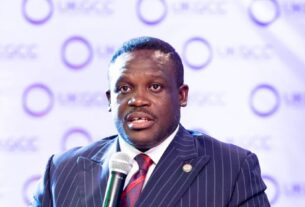
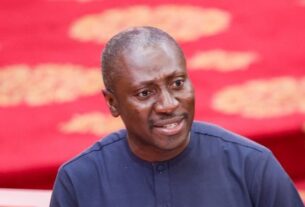
Investment consultant Kwame Pianim has cautioned the Mahama government against rushing constitutional amendments, insisting that any reform process must be rooted in practical political experience, not driven primarily by legal scholars and academic technocrats.
Speaking on Joy News’ The Pulse to mark Ghana’s 69th Independence Day, Pianim said recommendations from constitutional review discussions should first be turned into a white paper, debated in parliament and in the press, before any referendum is entertained.
“It is not a job for scholars and lawyers,” he said bluntly.
“We want people who have been involved in the nitty-gritty of our politics to find out what has gone wrong.”
Ghana’s Constitutional Review Committee, set up by President Mahama shortly after he took office in January, submitted its final report in December 2025 and proposed, among other things, extending the presidential term from four to five years and reducing the minimum age requirement for the presidency from 40 to 30 years.
Read also:
- Expect a good performance against Ghana – Panama Coach Thomas Christiansen
- Women must rise and lead- Salaga South MP tells young Muslim women
- President Mahama commissions LPG vessel to strengthen Ghana’s energy supply chain
- ShattaFest in London this year, August 3- Shatta Wale
- Medikal visits Youth Minister after appointment as anti-drug campaign ambassador
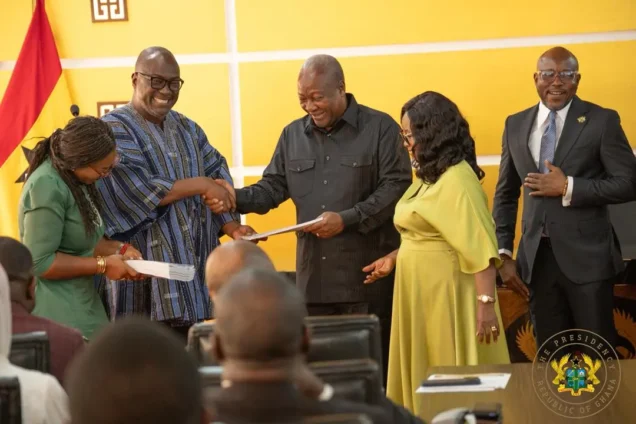
President Mahama received the final report at a ceremony at the Jubilee House on December 22, 2025, chaired by Professor Henry Kwasi Prempeh, and directed its publication and release to the public.
Pianim took direct aim at the age proposal, questioning whether those driving the reform would apply the same logic elsewhere.
“Which of the lawyers who are reforming this for us will accept a 40-year-old as a Chief Justice, a 40-year-old as the leader of the bar association?” he asked. “There are some jobs that need judgment and wisdom.”
This is not the first time Ghana has sought to reform its 1992 Constitution. A similarly extensive and participatory reform process conducted in 2010 produced a series of proposals which remain relevant to this day but have never been implemented.
The economist also called for a serious national conversation on how political parties are financed, arguing that without addressing corruption at its source, even the best-written constitution would not save Ghana from the rogues it keeps electing.