Els: MBN360 Agribusiness
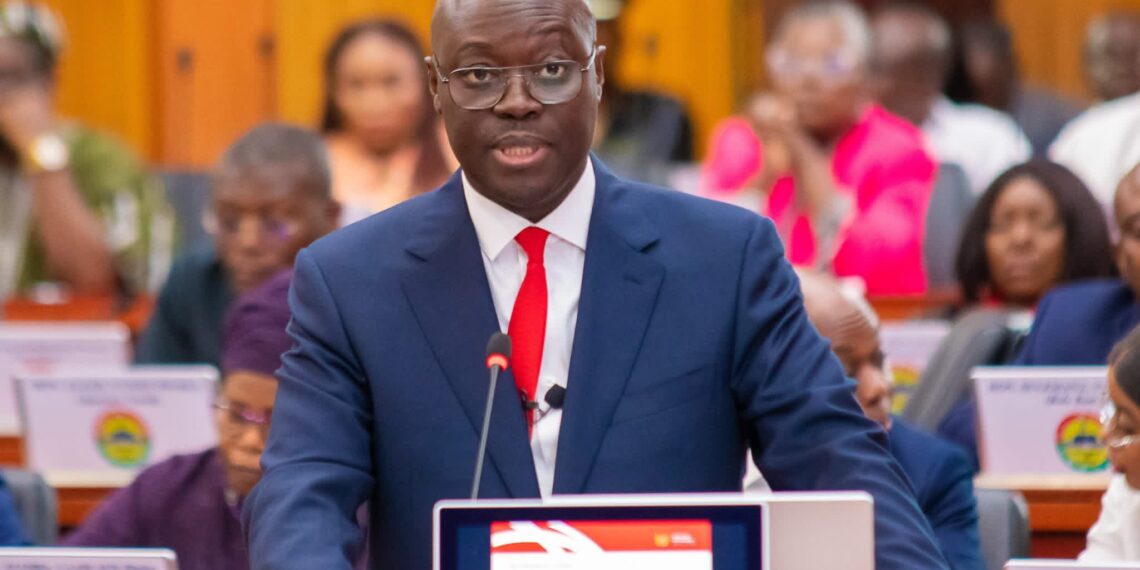
The government has moved to dismantle the “unsustainable” financial structures crippling Ghana’s cocoa industry, following a grim diagnostic briefing by Finance Minister Dr. Cassiel Ato Forson. Following an emergency Cabinet session, the administration has authorized a total overhaul of the Ghana Cocoa Board (COCOBOD).
Presented by the finance minister in a press briefing, the reforms aim to resolve a liquidity crisis that has left farmers unpaid and Ghana’s beans uncompetitive on the global stage.
Central to this “reset” is the introduction of a new COCOBOD Bill and a pivot toward Domestic Cocoa Bonds, effectively ending the nation’s 32-year reliance on foreign syndicated loans and the failed “off-taker” financing model of 2024.
“A new COCOBOD Bill will be presented to Parliament to implement an automatic adjustment of producer price to align with movement in the world market price, exchange rate, and other key variables and guarantee a minimum of 70% of the gross FOB price to be paid to cocoa farmers”Dr. Cassiel Ato Forson, Finance Minister
The intervention comes as COCOBOD faces a US$1 billion revenue hole caused by an unprecedented 45% production shortfall in the previous season. According to Dr. Forson, in order to protect the livelihoods of the nation’s farmers, Cabinet has directed COCOBOD to commence the immediate payment of all outstanding debts to cocoa farmers.

To prevent a recurrence of the current pricing crisis – where Ghana’s cocoa became uncompetitive as global prices fell – the government is introducing a legislative safeguard. This proposed COCOBOD Bill will “mandate an automatic price adjustment mechanism that aligns the farmgate price with world market movements and exchange rate fluctuations.”
By legally guaranteeing a 70% FOB share, the government intends to insulate farmers from political discretion while ensuring that the “uncompetitive” pricing errors of 2025 – which saw buyers shun Ghana’s cocoa – are not repeated.
Domestic Cocoa Bonds
The most radical pillar of the reform is the total replacement of the existing financing model. The Finance Minister admitted that the 2024/25 “necessity model,” which relied on buyers (off-takers) to pre-finance purchases, has proven to be a failure.
This model only functioned because buyers were incentivized by “cheap $2,661 rollover contracts,” while market prices soared above $8,000. Now that the price gap has closed, buyers have pulled back, leaving COCOBOD without the liquidity to purchase beans.
Read also:
“The new Financing Model will utilise domestic Cocoa Bonds to purchase cocoa and repay with cocoa proceeds within each crop year. The Bonds will be used to raise a revolving fund for COCOBOD to turn around at least once during the season”Dr. Cassiel Ato Forson, Finance Minister

By raising a revolving fund domestically, the government hopes to restore financial sovereignty to the cocoa sector. Dr. Forson noted that this move allows the state to “bypass the international banks that lost confidence in the Ghanaian economy,” following COCOBOD’s default on a $70 million bridge loan in late 2024.
Reviving Local Industry And Value Addition
As presented by the Finance Minister, the new financing model is also designed to break the “collateral trap,” of the old syndicated loan system. “This system did not allow COCOBOD to optimise prices on the market,” he explained.
Furthermore, for decades, COCOBOD was forced to sell forward raw beans to serve as collateral for foreign loans, which restricted the volume of cocoa available for local factories. Under the new bond-backed system, COCOBOD will have the flexibility to sell any volume of beans to domestic processing companies.
This shift is expected to trigger a surge in local value addition and job creation.
The Minister also announced the government’s rescue mission for the Produce Buying Company (PBC) and other indigenous Licensed Buying Companies (LBCs) that were pushed to the brink of bankruptcy by the 2024/25 off-taker model.
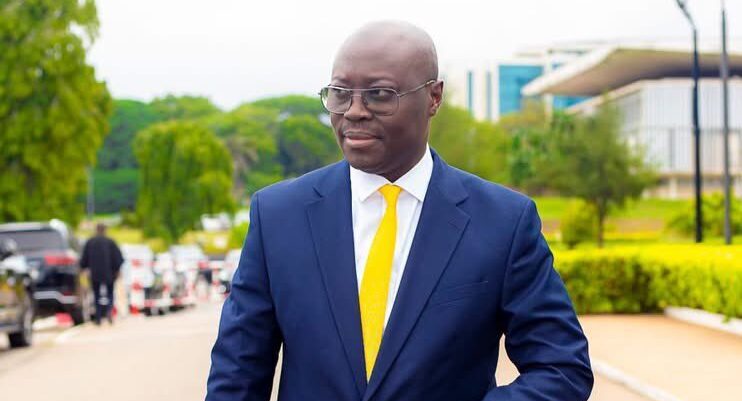
With global prices now hovering around $6,400 per tonne, Dr. Forson emphasized that Ghana cannot afford to remain an outlier in the market. The objective of the Cabinet reforms is to make “Made in Ghana,” cocoa both sustainable for the farmer and attractive to the buyer.
As the COCOBOD Bill moves toward Parliament, the focus remains on ensuring the financial viability of an industry that remains the backbone of the Ghanaian economy. The era of unsustainable debt and “necessity-driven” experiments has ended; the era of domestic bond-backed industrialization has begun.