Read also:
- Buyers avoid Ghana cocoa as high prices leave 50,000 tonnes unsold – COCOBOD CEO
- February, a month for chocolates, love, and credit cards
- Newcore Gold Commences PFS at Enchi Gold Project
- ECG Schedules Planned Maintenance to Improve Power Supply
- Three Years On: Black Stars Honour Christian Atsu
Els: MBN360 Education
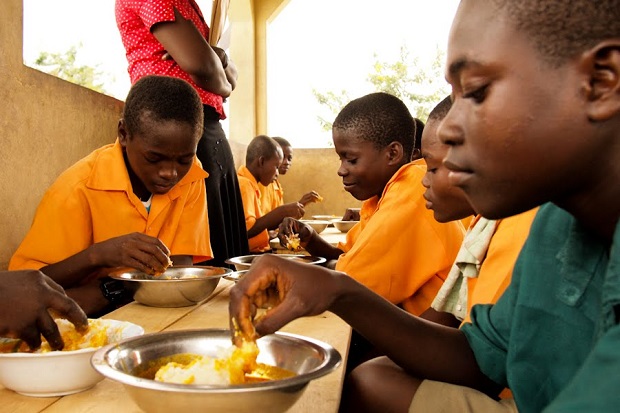
The Government of Ghana, through the Ministry of Gender, Children and Social Protection, has released the first term feeding grant to caterers under the Ghana School Feeding Programme across all sixteen regions of the country, marking an important step in sustaining one of the nation’s flagship social intervention programmes.
The payment covers the first term of the 2025 to 2026 academic year, which officially began on Tuesday, September 2, 2025. According to the Ghana School Feeding Programme, the total number of approved cooking days for the term stood at seventy-four. Caterers were paid at a rate of two Ghana cedis per child for each school day that meals were served to beneficiary pupils.
In a statement issued by the Public Relations Directorate of the Ghana School Feeding Programme, officials explained that the disbursement was calculated strictly based on the actual number of days caterers provided meals during the term. The programme stressed that this approach ensures accountability while aligning payments with services delivered on the ground.
“The payment is according to the number of days caterers were able to feed beneficiary pupils during the term,” the statement noted, underscoring the importance of accurate reporting and verification at the school and district levels. Programme officials indicated that this system is designed to promote transparency and fairness in the administration of funds.
The Ghana School Feeding Programme also urged caterers who may have concerns regarding the disbursement to take immediate steps to resolve them through the appropriate channels.

“We urge caterers who have issues with the disbursement to immediately report to their respective Regional Coordinators for prompt redress,” the statement said. Officials explained that regional coordinators have been tasked to address complaints swiftly in order to avoid disruptions to feeding activities in schools.
The timely release of funds has been welcomed by stakeholders, particularly caterers who often face financial pressures when payments are delayed. In its statement, the programme commended the government for ensuring that funds were made available on time, describing the move as critical to the smooth implementation of the programme.
“We take this opportunity to commend government for the timely release of funds, and our cherished caterers for their patience and cooperation,” the statement said. It also praised caterers for their continued dedication to the welfare of schoolchildren, noting that their role extends beyond food preparation to supporting attendance and learning outcomes among pupils.
Read also:
- Suame Interchange: only fourth tier removed, project still meets Kumasi traffic needs, Agbodza clarifies
- Sexual and gender-based violence widespread in Northern and Northeast regions – Study
- Abu Trica sues Ghanaian authorities and FBI over alleged rights abuses
- UNRWA Appeals for Urgent Funding Amid Deepening Crisis
- MahamaCares Funds to Train Specialist Medical Doctors – President Mahama
The Ghana School Feeding Programme remains a key component of the government’s broader social protection framework. It is designed to provide one hot nutritious meal each school day to pupils in selected public basic schools, with the aim of improving enrolment, attendance, retention, and nutrition among children, particularly in deprived communities.
Education and social policy analysts have long noted that the programme not only benefits pupils but also supports local economies. By sourcing food items from local farmers and engaging caterers within communities, the initiative creates employment opportunities and stimulates agricultural production.
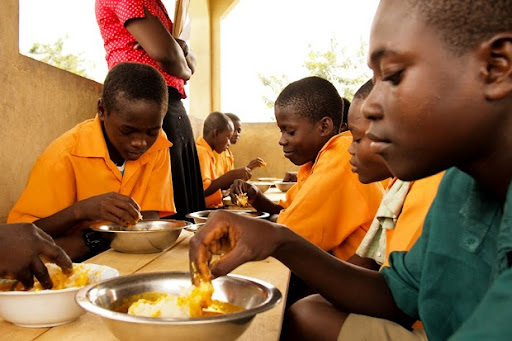
Timely payment of feeding grants is therefore seen as essential to sustaining these linkages and maintaining confidence among service providers. Officials at the Ministry of Gender, Children, and Social Protection have reiterated their commitment to strengthening the programme and addressing challenges related to funding, monitoring, and quality of meals.
They say consistent and predictable financing is central to improving service delivery and ensuring that beneficiary children receive nutritious meals throughout the school year.
The release of the first term feeding grant comes at a time when government has pledged to enhance efficiency across social intervention programmes. Authorities have indicated that systems are being reviewed to improve data accuracy, reduce administrative bottlenecks, and ensure that funds reach beneficiaries promptly.
For many caterers, the latest disbursement offers relief and reassurance after months of uncertainty that sometimes accompany the start of academic terms. Several have described timely payments as crucial to maintaining food quality and meeting rising costs associated with food items and transportation.
As schools continue the academic year, programme officials say monitoring teams will remain active to ensure compliance with feeding standards and accountability requirements. They have encouraged caterers to maintain proper records and adhere to guidelines set out by the programme.

With the first term funding now released, attention is expected to shift to preparations for subsequent terms, including budgetary planning and stakeholder engagement to address operational challenges.
Government officials maintain that sustained collaboration among ministries, local authorities, caterers, and school administrators is key to the long term success of the Ghana School Feeding Programme.