Read also:
- Djokovic dethrone Sinner to reach Australian Open Final against Alcaraz
- President Mahama explains reason for attire at Military Academy Graduation Parade
- Senegal Coach rejects fundraiser after CAF fine
- President Mahama pledges merit-based recruitment of 12,000 into Ghana Armed Forces
- Venezuela Opens Oil Sector to Private Companies, Ending Decades of State Monopoly
Els MBN360 Business
hana’s banking sector wrote off GH¢1.39 billion as bad debt within the first ten months of 2025, reflecting an aggressive clean-up of loan books as regulators intensify efforts to strengthen asset quality.
The latest figures from the Domestic Money Banks Income Statement show that the write-offs were largely driven by provisions for loan losses, depreciation and other related charges, as banks moved to remove unrecoverable loans from their balance sheets.
The write-offs represent a significant increase compared to the previous year. Data indicate that the amount written off in the ten-month period of 2025 was 56.7 percent higher than the marginal increase recorded in October 2024. This development underscores the scale of legacy loan challenges still confronting the sector, even as broader financial soundness indicators show signs of improvement.
Non-performing loans ease but remain elevated
The clean-up exercise comes against the backdrop of a gradual improvement in banks’ asset quality. According to the Bank of Ghana, the Non-Performing Loan ratio declined to 18.9 percent in December 2025, from 21.8 percent in 2024. While the reduction marks progress, the Central Bank acknowledges that the ratio remains elevated and continues to pose risks to credit growth and financial intermediation.
The Bank of Ghana has attributed the improvement to ongoing policy measures aimed at resolving legacy loans, enforcing stricter credit underwriting standards and addressing willful defaults. These interventions, coupled with enhanced supervisory oversight, are expected to further lower the NPL ratio over the medium term and restore confidence in bank lending.
Regulatory reforms have played a central role in encouraging banks to confront problem loans rather than carry them indefinitely on their books. The Central Bank has consistently urged lenders to adopt realistic provisioning policies and pursue loan recoveries more aggressively. Where recovery proves unviable, banks are expected to recognize losses promptly through write-offs.
The government has also contributed to the clean-up process. In October 2024, government wrote off GH¢3.22 billion, a move that helped ease pressures on bank balance sheets linked to state-related obligations. Combined with bank-level write-offs, these actions signal a coordinated effort to address structural weaknesses that built up during years of economic stress.
Strong banking sector performance in 2025
Despite the elevated NPL levels and substantial write-offs, the Bank of Ghana says the banking sector recorded a strong overall performance in 2025. Total assets expanded over the year, driven by growth in domestic deposits, domestic borrowings and shareholders’ funds. This expansion reflects renewed confidence among depositors and investors, as well as improved capitalization across the industry.
Asset growth was largely reflected in investments, which increased significantly during the period. Banks continued to allocate funds into relatively safer instruments, balancing risk management considerations with the need to preserve profitability. The Central Bank noted that the latest financial soundness indicators showed the sector remained solvent, profitable and efficient.
Easing policy rate supports credit conditions
The improvement in asset quality and balance sheet strength has been reinforced by a more accommodative monetary policy stance. The easing of the policy rate is expected to support credit conditions and strengthen financial intermediation going forward. Lower borrowing costs can help viable businesses service existing loans more easily, reducing the likelihood of new defaults.
Improved credit conditions are also expected to stimulate lending to productive sectors of the economy, particularly small and medium-sized enterprises that were disproportionately affected by tight financial conditions in recent years. As banks regain confidence in their loan portfolios, analysts anticipate a gradual shift from defensive investment strategies toward increased private sector lending.
While the write-off of GH¢1.39 billion in bad loans demonstrates decisive action, industry watchers caution that challenges persist. Elevated NPL levels continue to constrain banks’ ability to expand credit aggressively, and recovery efforts remain complex, especially for legacy loans tied to distressed sectors and past economic shocks.
The Bank of Ghana has emphasized the need for sustained discipline in credit underwriting, improved risk management systems and stronger borrower accountability. Addressing willful defaults remains a key priority, as such practices undermine repayment culture and increase costs across the financial system.
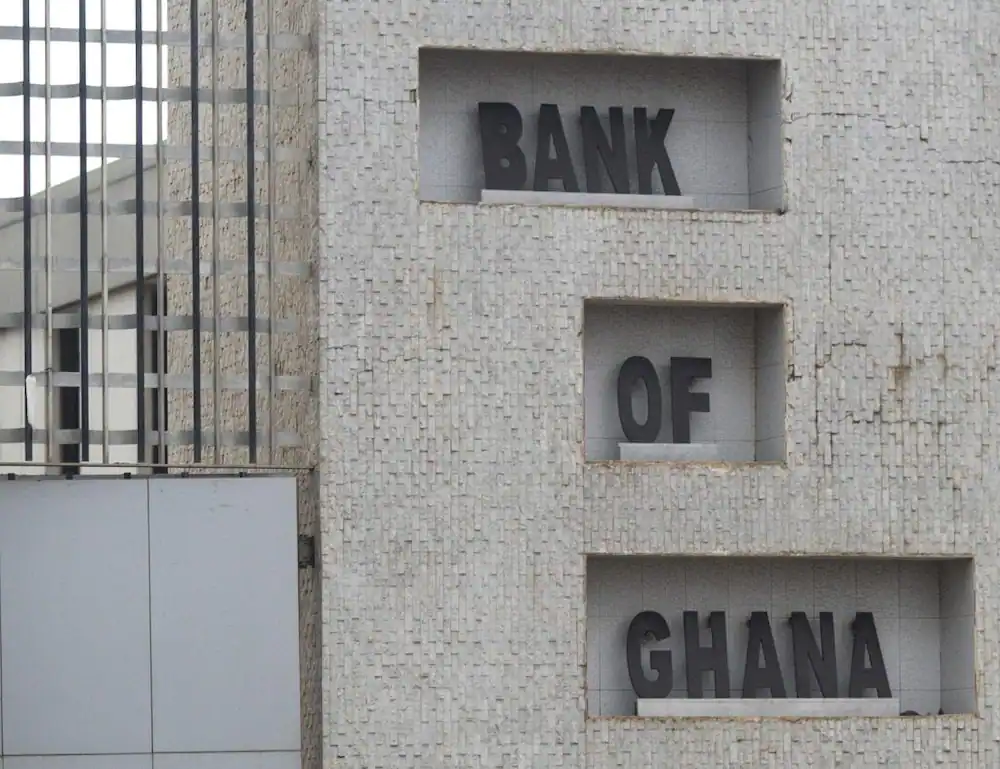
Meanwhile, the Central Bank is optimistic that continued reforms, combined with improving macroeconomic conditions, will further strengthen the banking sector. The combination of balance sheet clean-ups, policy rate easing and robust capitalization provides a foundation for more resilient financial intermediation.