
Read also:
- CRC Proposes Lowering Presidential Age Limit to 30
- Ghana Launches Sankofa Initiative to Strengthen Ties with Diaspora
- COCOBOD Cheque Scandal Rocks Ghana: Akpaloo Faces Prosecution Over GH¢3.17m Fraud
- AG to prosecute Wontumi Farms, directors over GHS24m EXIM Bank fraud
- Africa Cup of Nations shift to 4-year cycle sparks debate over identity and prestige
Els MBN360 News
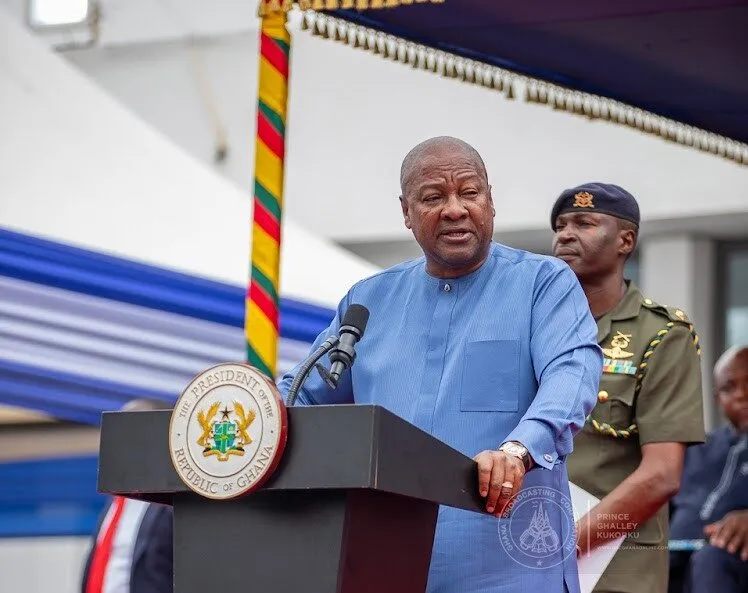
President John Mahama has endorsed the Constitution Review Committee’s (CRC) proposals, describing them as “revolutionary” and in Ghana’s best interest. Mahama praised the CRC for addressing critical governance issues, including lowering the presidential age limit to 30 and extending presidential terms to 5 years.
Speaking at an event, Mahama emphasized that constitutional reforms should prioritize Ghana’s development and unity, ensuring inclusivity and accountability. He urged citizens to engage with the proposals, highlighting the importance of a participatory approach.
“I think that many of the recommendations you’ve made are quite revolutionary. Some are quite radical, but I think it’s in the interest of our democracy,” Mahama said.
“It is important for us to let our citizens know that democratic governance is still better than any other form of governance.”
The President stressed that democratic systems allow citizens to express themselves freely and unlock their creative potential, unlike military or authoritarian systems, where decisions are imposed.
Mahama’s support underscores the significance of the CRC’s work, which aims to enhance Ghana’s governance framework. The proposals are expected to spark national debate on constitutional reforms
Mahama said his government plans to implement the report in a bipartisan manner, bringing all stakeholders together to adopt as many recommendations as possible.
He highlighted the proposed reforms to the Council of State, noting that giving the council a greater role in presidential appointments would enhance credibility while maintaining the President’s authority to sign appointment letters.
The Constitution Review Committee, chaired by Professor Henry Kwasi Prempeh, made several key recommendations to the government. These include extending the presidential term from four to five years, separating the Executive from Parliament, restructuring the Council of State to reflect its 1969 design, and redefining the role of chiefs within local governance.
Other proposals include depoliticizing state-owned enterprises, improving public sector appointment processes, splitting the Commission on Human Rights and Administrative Justice into two separate bodies for human rights and anti-corruption, and shortening election campaign periods to give governments more time to govern effectively.