Read also:
- Sports Ministry, Cancels Winning Bonuses for Black Stars Management Team
- UK-Ghana Young Leaders Summit Showcases Youth-Led Innovation and Sustainable Design
- Ga Mantse Urges Unity and Respect Among Gadangme People
- 6,255 Out-of-School Children to Transition into Formal Education in Northern Region
- Punjab Floods: Death Toll Rises to 30, Over 350,000 Affected.
Burkina Faso’s unelected transitional parliament has unanimously passed a bill banning homosexual acts, imposing punishments of up to five years in jail and fines. The new law, part of a broader crackdown on same-sex relationships across the continent, also mandates deportation for foreign nationals convicted under the law.
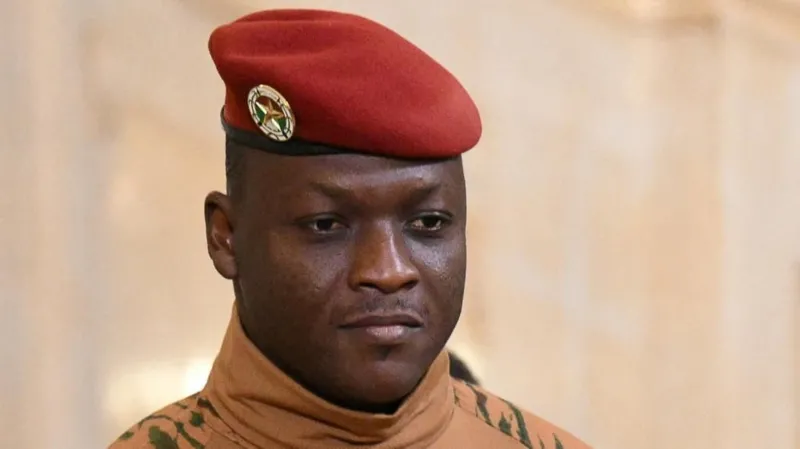
Justice Minister Edasso Rodrigue Bayala announced on state-run media that the law provides for a prison sentence of between two and five years, as well as fines, describing homosexual acts as “bizarre behavior”. The legislation awaits the signature of the country’s military leader, Capt Ibrahim Traoré, who seized power in 2022.
Burkina Faso joins a growing list of African nations enforcing stricter anti-LGBT laws, including neighboring Mali, which adopted similar legislation last year. Uganda has also enacted harsh anti-LGBTQ+ laws, including capital punishment for “aggravated homosexuality” and life imprisonment for consensual same-sex relations. These moves have sparked international backlash, with human rights groups condemning the trend as a setback for human rights.
The World Bank had previously suspended loans to Uganda over its anti-LGBT legislation, though the ban was later lifted. Burkina Faso’s new law reflects the country’s socially conservative and religious ethos, where less than 10% of the population identifies as non-religious.
The law’s passage has sparked concern among human rights groups, who see it as part of a broader crackdown on LGBTQ+ rights in West Africa. Critics argue that such laws entrench discrimination and threaten basic freedoms. Amnesty International has called on junta leader Traoré to overturn the decision, citing concerns about human rights in Burkina Faso.