Els: MBN360 News
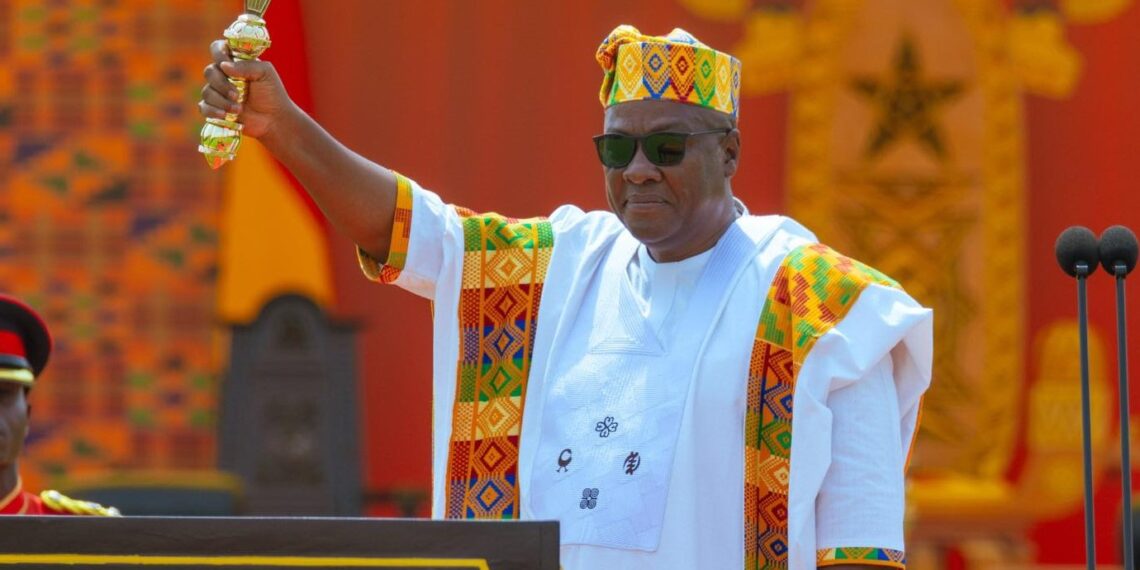
Sixty eight percent of Ghanaians approve of President John Dramani Mahama’s performance in office, signalling strong public backing one year after he assumed the presidency amid significant economic pressures.
This is according to a nationwide opinion poll conducted by the Institute of Economic Affairs Ghana, which assessed public sentiment on the President’s job performance and prevailing socioeconomic conditions.
“President John Mahama assumed office as the newly elected President of Ghana on 7th January 2025, amid very high public expectations.
“Prior to his election, the country had been grappling with significant economic and governance challenges, including high debt levels, a rapidly depreciating currency, high inflation, high unemployment, and an oversized government that was draining the country’s resources.”Institute of Economic Affairs
Public expectations were high that the new administration would stabilize the economy and restore confidence in state management. One year later, the IEA survey suggests that a clear majority of citizens believe the President is broadly delivering on his mandate, even though economic hardships remain part of daily life for many households
IEA Poll Reflects Nationwide Sentiment
The IEA survey was conducted in December 2025 and sampled the views of more than 1,000 respondents across all regions of Ghana. The poll sought to measure approval of President Mahama’s handling of his job alongside public perceptions of key socioeconomic pressures, particularly the cost of living.
According to the findings, 68 percent of respondents said they approve of the way the President is handling his responsibilities, while 22 percent expressed disapproval. About 10 percent of respondents said they had no opinion.

The wide margin between approval and disapproval points to a solid base of public confidence in the President’s leadership. Analysts note that such levels of support are significant for an administration still navigating economic recovery and fiscal consolidation.
The results indicate that positive assessments of the President’s performance extend beyond partisan lines, although a notable minority remains sceptical or undecided.
Approval amid Persistent Cost of Living Pressures
The survey findings also reveal that strong approval of President Mahama coexists with deep concern over the cost of living. Despite signs that key macroeconomic indicators are gradually improving, many citizens continue to experience financial strain, particularly in relation to food prices and essential consumer goods.
According to the poll, 71 percent of respondents said they are very concerned about the price of food and other consumer items, while an additional 20 percent reported being somewhat concerned.
Read also:
In total, more than 90 percent of respondents expressed some level of concern about rising prices. This suggests that while many Ghanaians approve of the President’s overall leadership, they remain acutely aware of the economic pressures affecting their households.
The IEA notes that these concerns highlight the gap between macroeconomic stabilisation and lived economic realities. While inflation may be moderating and fiscal conditions improving, the cost of basic necessities remains a key indicator through which citizens judge the success of government policies.

The strong approval rating reflects public recognition of the difficult circumstances under which President Mahama assumed office. Many respondents appear to credit the administration for steering the economy away from its most volatile phase, even if the benefits of stabilisation are not yet fully felt at the household level.
The presence of a sizeable group of respondents who either disapprove or hold no opinion also suggests that public support, while strong, is not unconditional. Maintaining confidence will likely depend on the government’s ability to translate economic management into visible relief for consumers, particularly in areas that directly affect daily expenditure.
Implications for Governance
The IEA survey provides an important snapshot of public mood as the Mahama administration enters its second year in office. The 68 percent approval rating offers political space for the government to continue implementing reforms and policy adjustments aimed at economic recovery and institutional strengthening.
At the same time, the intensity of concern over the cost of food and consumer goods underscores the urgency of policies that address price stability, supply chains and household purchasing power.
Analysts caution that sustained public approval will depend not only on macroeconomic indicators but also on whether citizens feel tangible improvements in their standard of living.
Overall, the IEA findings suggest a cautiously optimistic public that is willing to acknowledge progress while demanding more. President Mahama’s approval rating signals confidence in his leadership direction, but it is tempered by persistent socioeconomic pressures that remain unresolved.
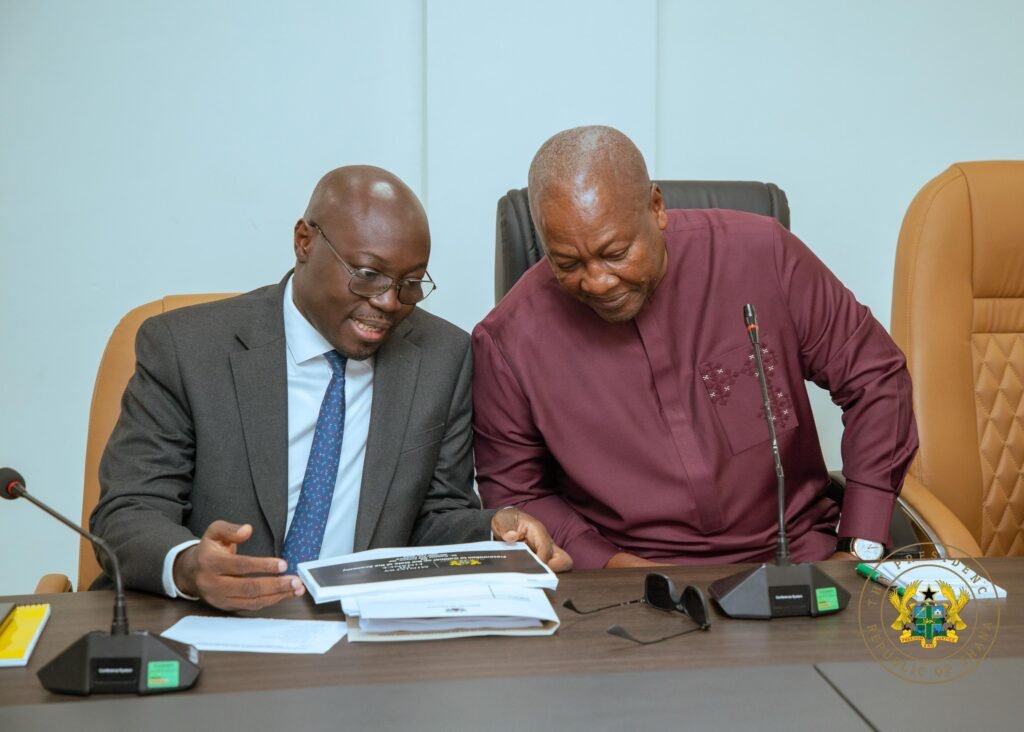
As the administration continues its Reset Agenda, the challenge will be to ensure that economic stabilisation translates into everyday affordability and improved welfare.
For now, the survey indicates that a clear majority of Ghanaians continue to back the President’s performance, even as they look to the government for stronger relief from rising living costs.